



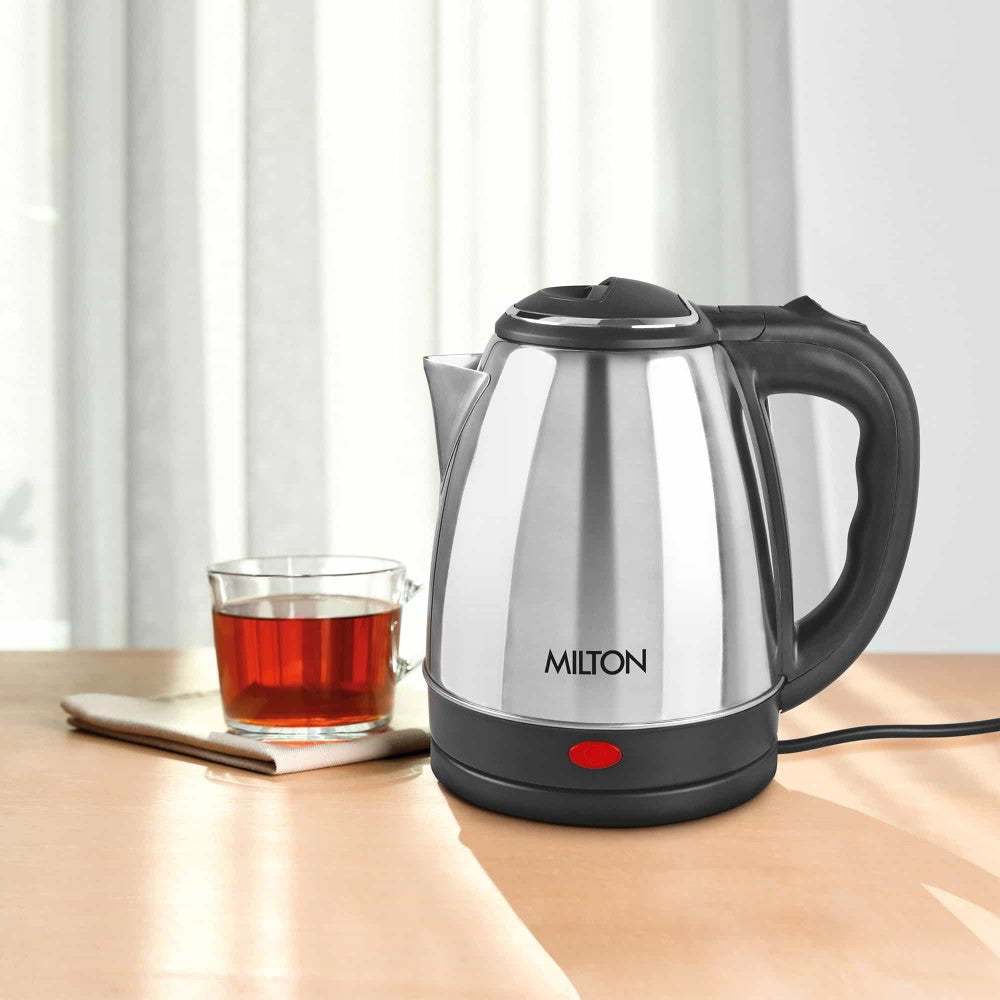
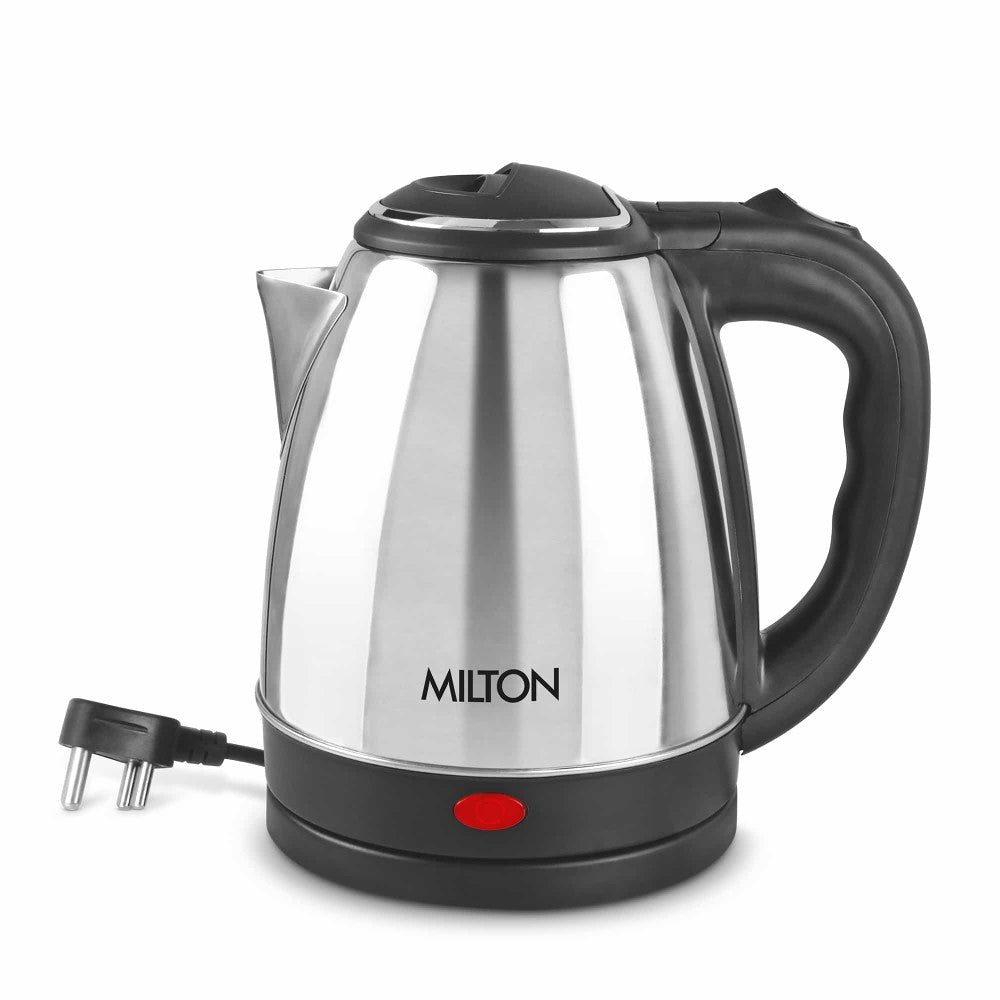



An electric kettle is a compact but powerful kitchen workhorse: It can rapidly boil water for tea, coffee, oatmeal or soup and save a lot of time in the morning. It’s also simple to use, which is why it is so popular in Indian homes.
But constant boiling produces mineral deposits at the bottom of the kettle. These deposits may alter the taste of the water and reduce boiling speed. They also give the appliance a dull appearance from within. It takes only a few minutes to clean the kettle, to make it perform more efficiently again.
But before that, it is important to know how to clean electric kettle the right way. Learn all about it in this blog.
How Frequently Should You Clean an Electric Kettle?
You should clean your electric kettle at least once every two weeks. Hard water is found in many Indian cities. It is made up of minerals that find their way to the kettle’s interior every time you boil water. This accumulation happens rapidly and is visible within a short period of time. If you use the appliance several times a day, clean it once every seven days.
Regular cleaning prevents bad odour. It stops stains from forming and also improves boiling speed. Because its heating plate stays free of build-up, the kettle doesn't require as much electricity. A regular cleaning regimen keeps your kettle fresh and performing for years.
What Causes Buildup Inside an Electric Kettle?
Lime scale is the primary cause of this buildup. It is visible as a white crust when hard water is boiled. Hard water is rich in minerals such as calcium and magnesium. When the water becomes hot, these minerals settle down at the bottom of the kettle. They build up into a thick mat. This layer gets tougher if it is prolonged for weeks and becomes harder if ignored for several weeks.
Limescale affects the boiling speed and can even change the flavour of the water. The buildup is also brown in some cases when water has impurities. These deposits adhere to the heating plate and decrease its efficiency. A thicker layer can produce tiny particles that float in the water. These are all indications that the kettle requires a deep clean. Regular cleaning prevents all of these issues and keeps the appliance safe.
Step-by-Step Guide on How to Clean an Electric Kettle
It is easy to clean an electric kettle, and you do not have to buy any special product for it. You only need vinegar. The gentle acidity of vinegar dissolves mineral scale from all corners of the appliance. It’s one of the best ways to descale at home. Are you wondering how to wash an electric kettle with vinegar? Here are the steps to follow:
Step 1: Mix Water and Vinegar
Fill the electric kettle with 1 part white vinegar and 3 parts water. This mixture has the right strength to dissolve mineral buildup.
Step 2: Bring the Mixture to a Boil
Turn on the kettle and let it boil. Turn off the kettle as soon as it is boiling. Let it stand for some hours This allows the vinegar ample time to dissolve the mineral build-up all the way through.
Step 3: Drain the Kettle
Empty the kettle the next morning. Fill it with fresh water and bring it to a boil. Drain it. Repeat this step twice. This will take away any residual vinegar smell or flavour. This will make your electric kettle clean and all set for use.
Essential Items You’ll Need for Cleaning an Electric Kettle
So, can you wash an electric kettle? The answer is yes. But you need the right items for the cleaning process. Most of the items are not fancy and are already at home. Here is what you will need:
-
White vinegar
-
Water
-
Lemon juice or citric acid
-
Baking soda
-
A non-abrasive sponge
-
A microfiber cloth
-
A small cleaning brush
These items are easy to use and work well on different types of buildup.
Best Ways to Clean the Inside of an Electric Kettle
There are quite a few simple methods for cleaning the inside of your kettle. You can use lemon juice, citric acid, baking soda or flat soda. Choosing the best way to clean inside of kettle can help remove limescale and fight stains. Here are more details about the different methods:
Use Lemon Juice or Citric Acid
So how do you clean the bottom of an electric kettle? Lemon juice and citric acid can help. They are natural cleaning agents and have strong acidic properties. They help remove stains and mineral layers easily. They also leave a fresh fragrance in your kitchen. The natural smell of lemon makes the kettle feel clean and energising.
Step 1: Add cleaning agent
Add 1 tbsp citric acid powder or lemon juice to the kettle.
Step 2: Add water
Fill with enough water to just cover the bottom of the kettle. Turn on the appliance to heat the mixture.
Step 3: Discard water
When the solution comes to a boil, turn off the kettle. Drain the remaining water. Wash the kettle thoroughly with clean water. Ensure none of that lemon or citrus acid residue remains inside. Dry the inside with a cloth.
Use Baking Soda
If you are wondering how to clean inside of kettle, you can also use baking soda. It is gentle, more readily available, and safe. It will not damage the surface as it cleans mineral stains. It also removes light odours from the inside of the appliance.
Step 1: Add baking soda
Pour 1 to 2 tablespoons of baking soda into the kettle. Fill the kettle with water. Turn it on and then bring the mixture to a boil.
Step 2: Let the kettle cool
After it has boiled, turn off the kettle. Let it sit for 10 minutes. This gives the baking soda a chance to dissolve away those deposits.
Step 3: Scrub the kettle
Gently scrub the inside with a soft-bristle brush. Allow the kettle to cool completely before touching. Wash the kettle with fresh water and dry it with a soft towel.
Conclusion
The process for cleaning an electric kettle is relatively easy and gives great results. It increases boiling speed and ensures the kettle is functioning at optimal performance. Stains and mineral layers are averted through regular cleaning. Follow easy steps and use home ingredients to maintain a clean, hygienic and long-lasting kettle. A little care will keep your kettle looking fresh and ready for daily use.


